There was a moment early in the day when I knew On The Horizon: Melbourne’s West was doing what it was created to do.
It was not one particular line from the stage. It was the room itself.
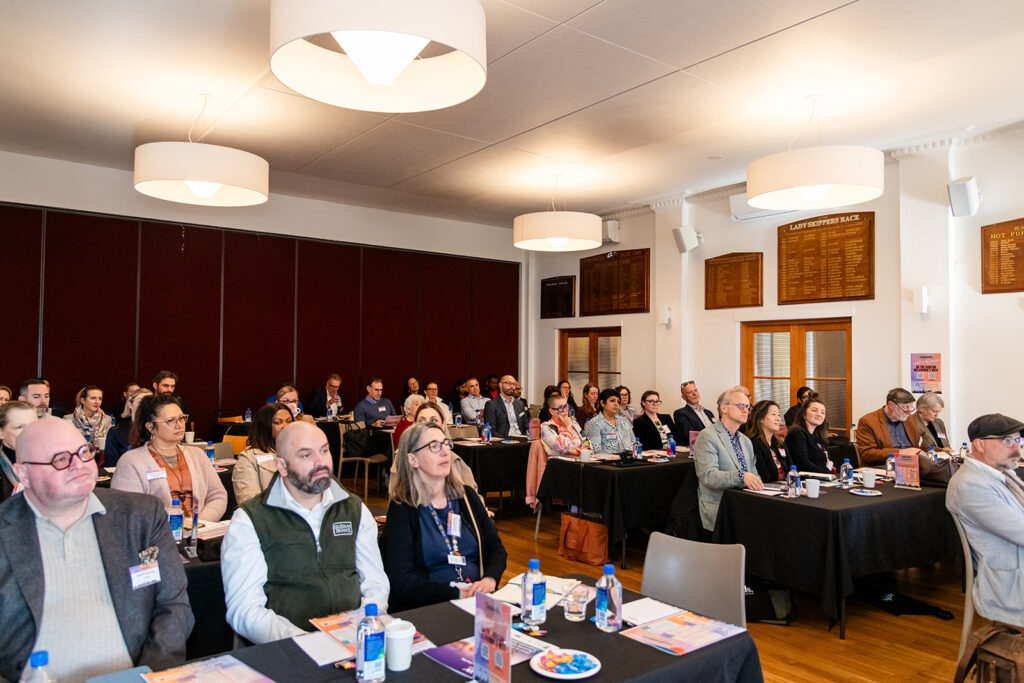
People were listening. Properly listening.
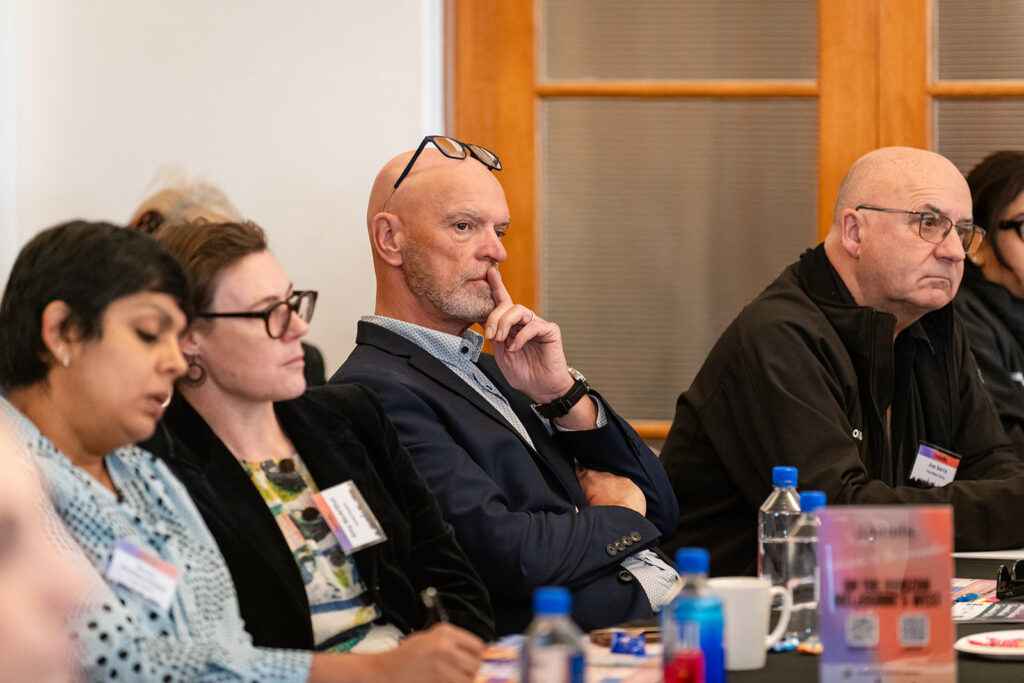
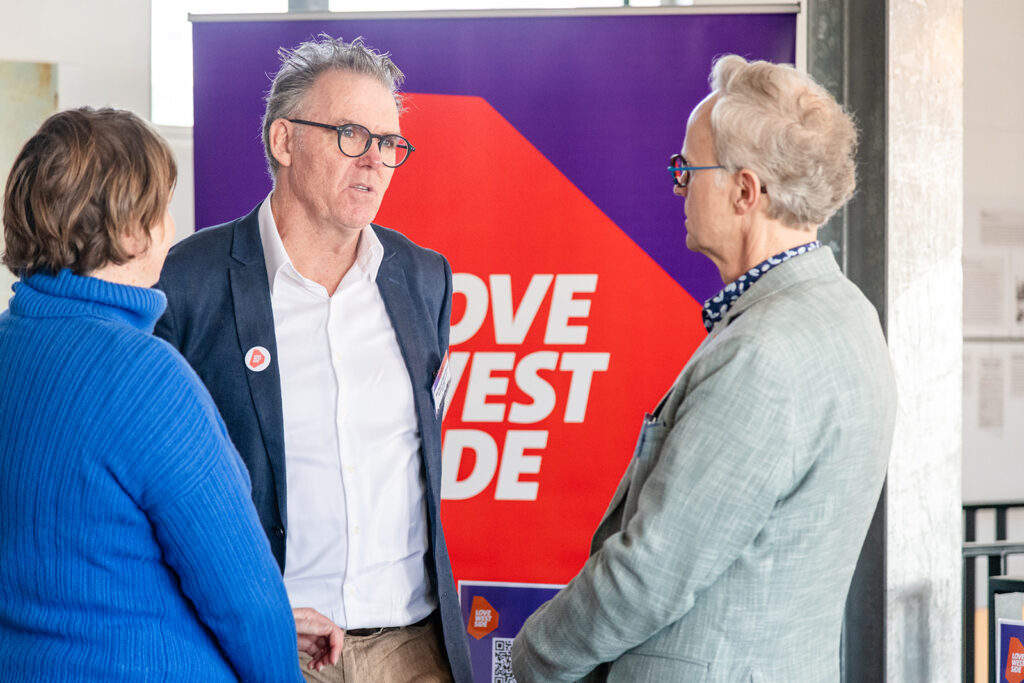
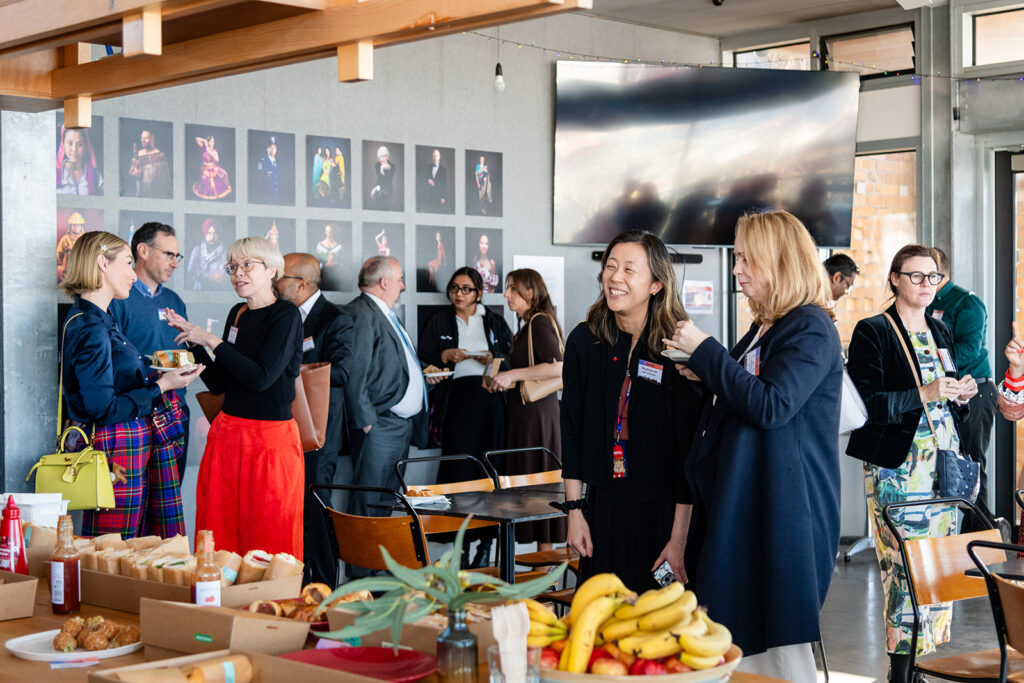
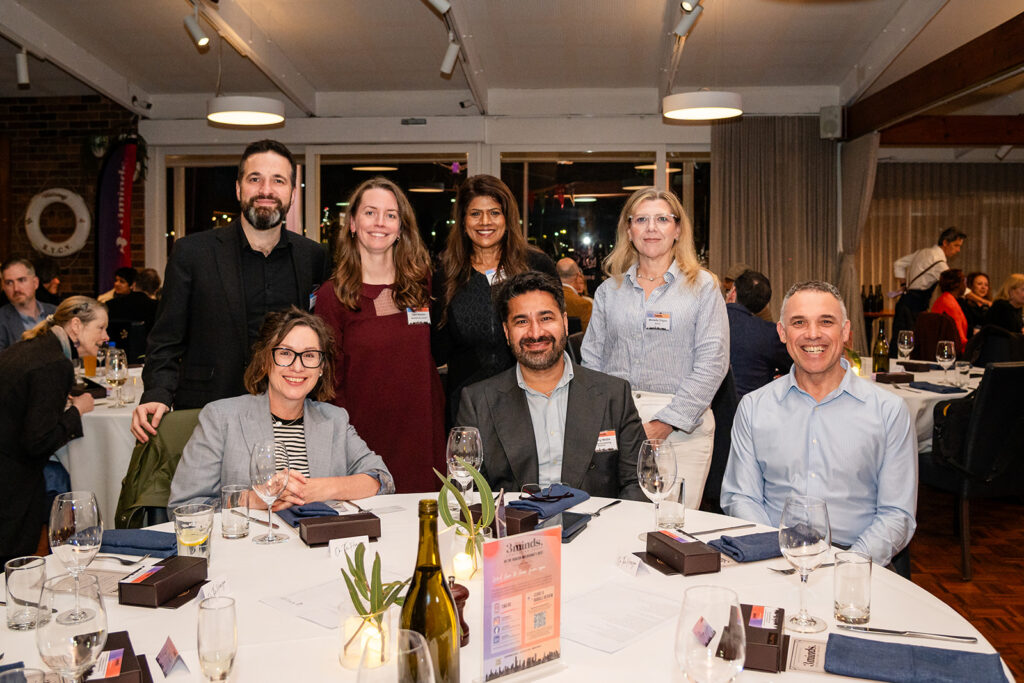
Speakers were engaged. Attendees were leaning in. There were smiles, side conversations, people nodding, people looking around the room and realising they were not the only ones thinking about these issues.
Throughout the day, people came up to me and said some version of the same thing:
“I am so glad this has happened.”
“We have needed something like this.”
“People have been talking about this for a long time, but no one has actually brought everyone together.”
That was the point.
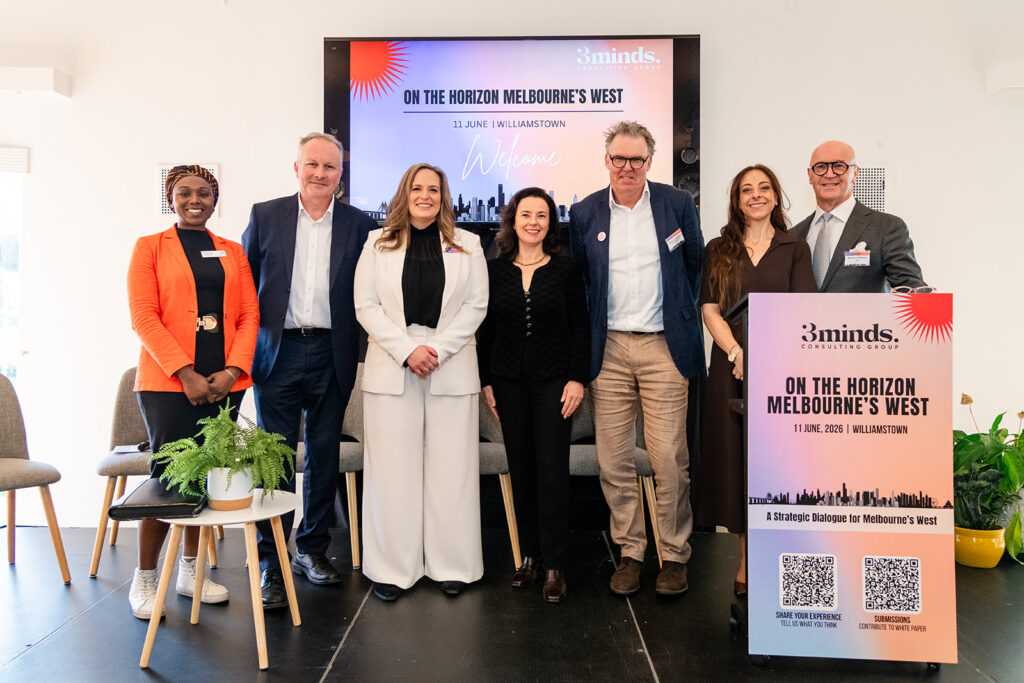
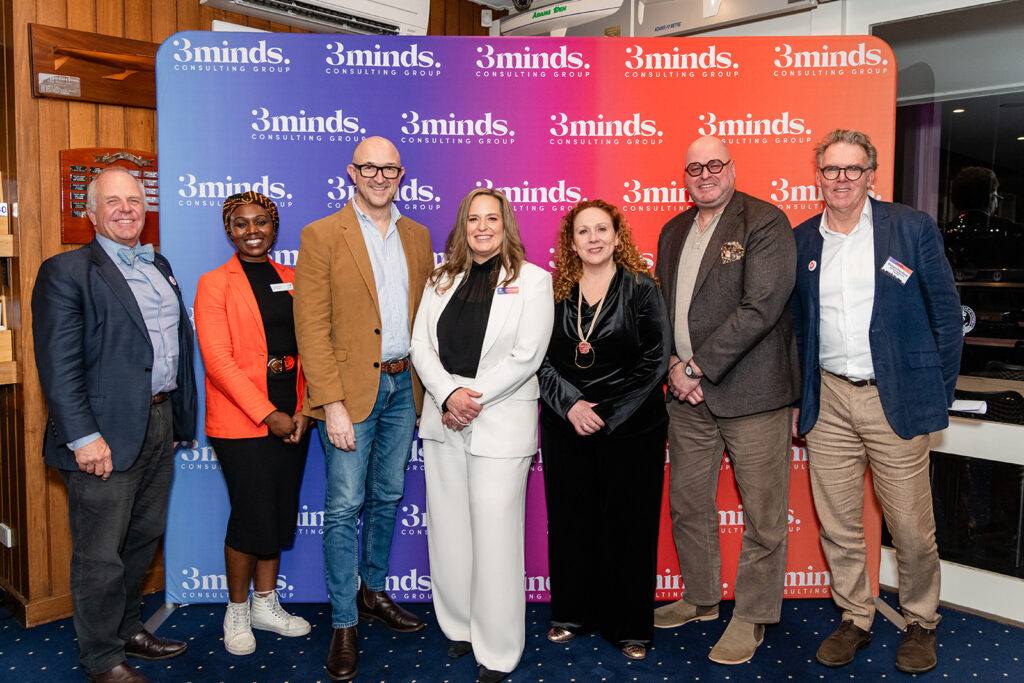
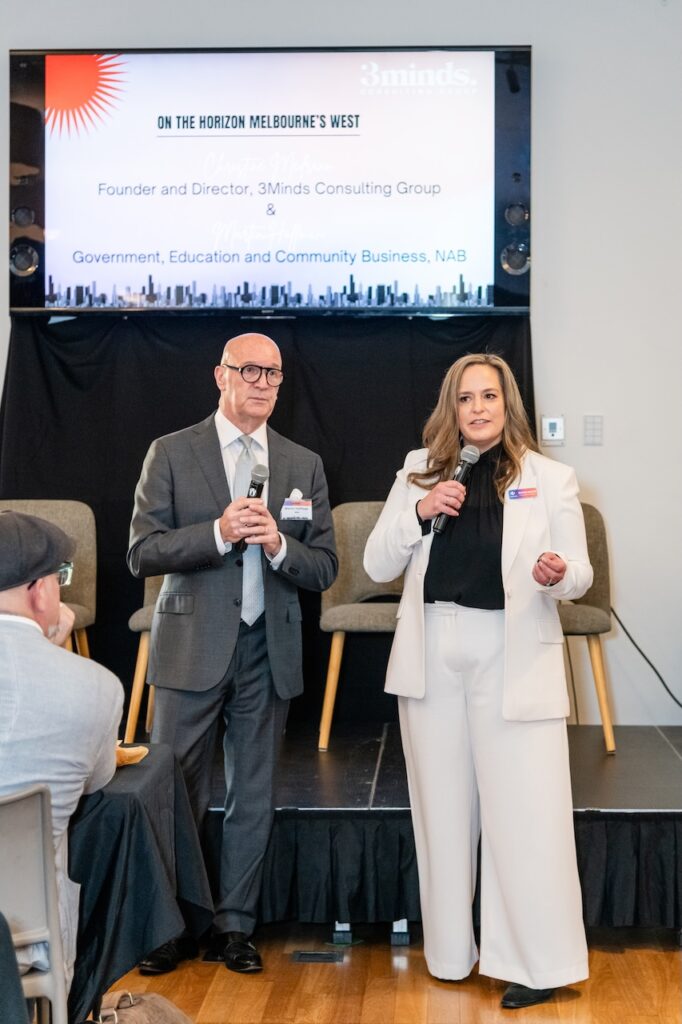
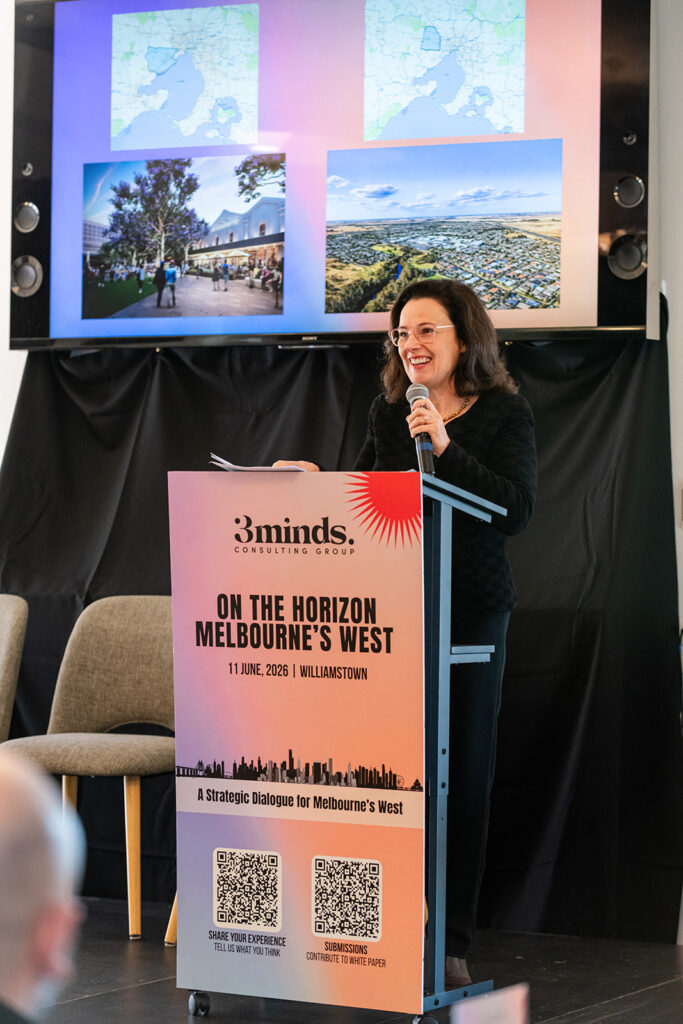
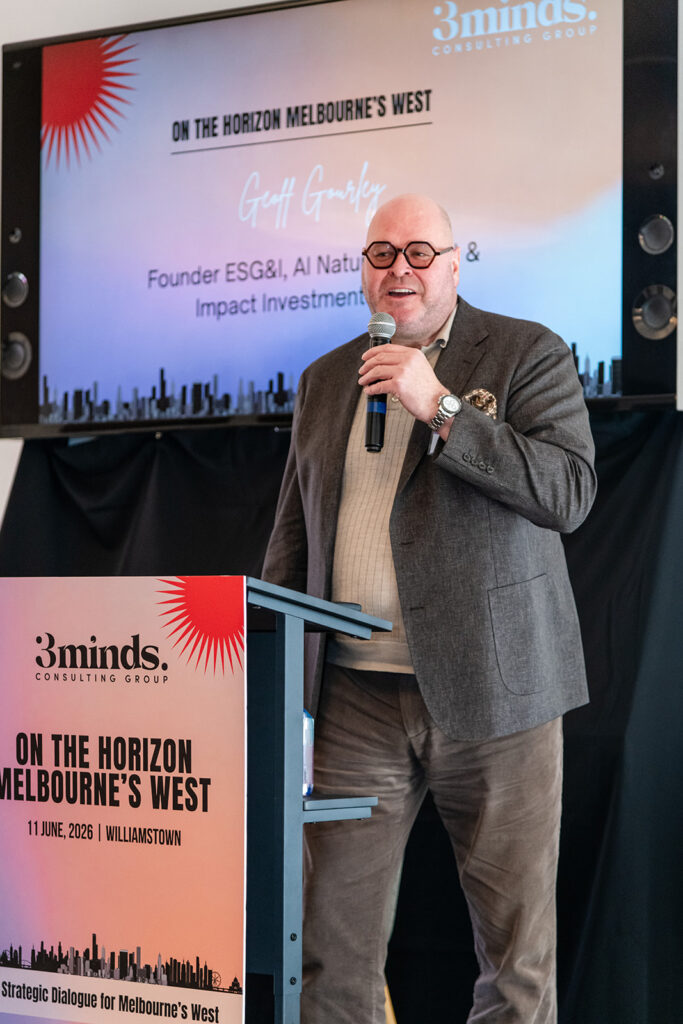
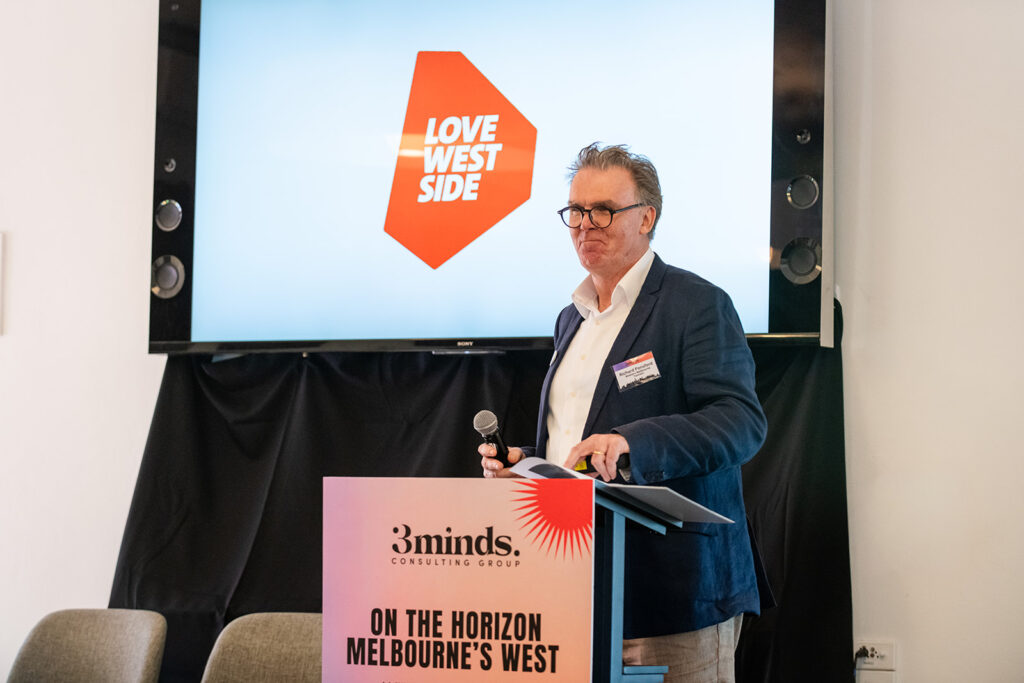
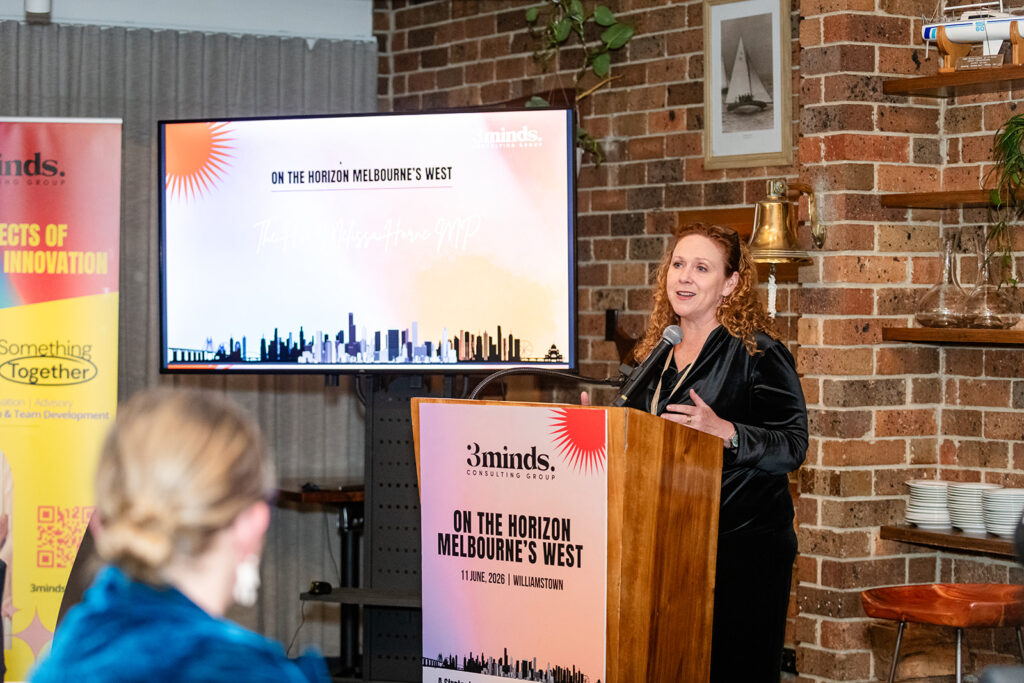
On Thursday 11 June 2026, 3Minds Consulting Group hosted On The Horizon: Melbourne’s West in Williamstown. The day brought together leaders and representatives across business, government, community, tourism, education, housing, sustainability, investment, industry and local leadership.
It began at Hobsons Bay Yacht Club, moved through a maritime experience along the Williamstown waterfront, and finished with an evening dinner, keynote and panel conversation at the Royal Yacht Club of Victoria.
But the real purpose was not the venues, the program or even the panels.
The purpose was to create a room that does not often exist.
A room where people who are working on different parts of the same regional future could sit together, listen to each other and begin to see where the work connects.
The West is not short of ideas
Melbourne’s West does not have an ideas problem.
It has committed people, capable organisations, young leaders, business owners, educators, community connectors, strategic thinkers and people who care deeply about the future of the region.
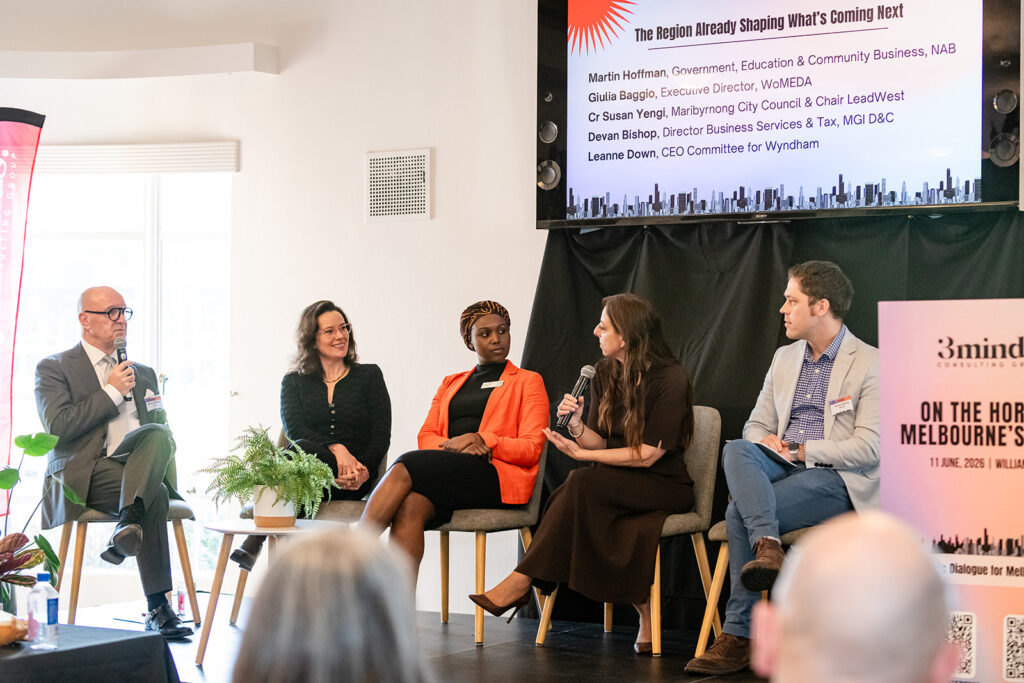
It has growth. It has industry. It has culture. It has place. It has ambition. It has pressure.
What it does not always have is coordination.
Too often, the work is happening in pockets.
One group is focused on business. Another on tourism. Another on advocacy. Another on local government. Another on housing, young people, education, sustainability, investment or community wellbeing.
All of it matters.
But when the work stays separate, the region loses power.
One of the comments made during the day stayed with me. It was the idea that some of the key strategic bodies in the West are like siblings from the same household, but operating in different rooms.
That is exactly the tension.
There are organisations with shared interests, similar goals and genuine commitment to the West, but too often they are operating independently. Sometimes that is because of history. Sometimes funding. Sometimes ownership. Sometimes the belief that each group needs to protect its own patch.
The result is that the West keeps speaking in fragments.
Advocacy needs more than passion
There is no shortage of passion in Melbourne’s West.
That was clear in the room.
People care. They know the region matters. They know the growth is significant. They know the infrastructure pressures are real. They know housing, transport, social infrastructure, education, workforce, investment and identity are not future issues. They are current issues.
But passion on its own is not enough. If everyone is carrying their own flag, nobody is holding the larger one.
That is where the West can get stuck. So many people are busy doing good work in their own area that there is not always someone standing back, joining the dots and asking: what is the shared story here, and who is willing to carry it together?
On The Horizon was designed to test that question. It was not about pretending everyone agrees. They do not. It was not about creating another neat statement about collaboration. There are already enough of those.
It was about putting people in the room and allowing the complexity to be visible.
The interest was there. The goodwill was there. The frustration was there too.
People valued the event, but they were also clear that they do not want another conversation that ends with good intentions and no follow-through.
They want action.
And they are right to expect it.
Young people are not the future conversation. They are the current one.
One of the most important parts of the day was the contribution of young people.
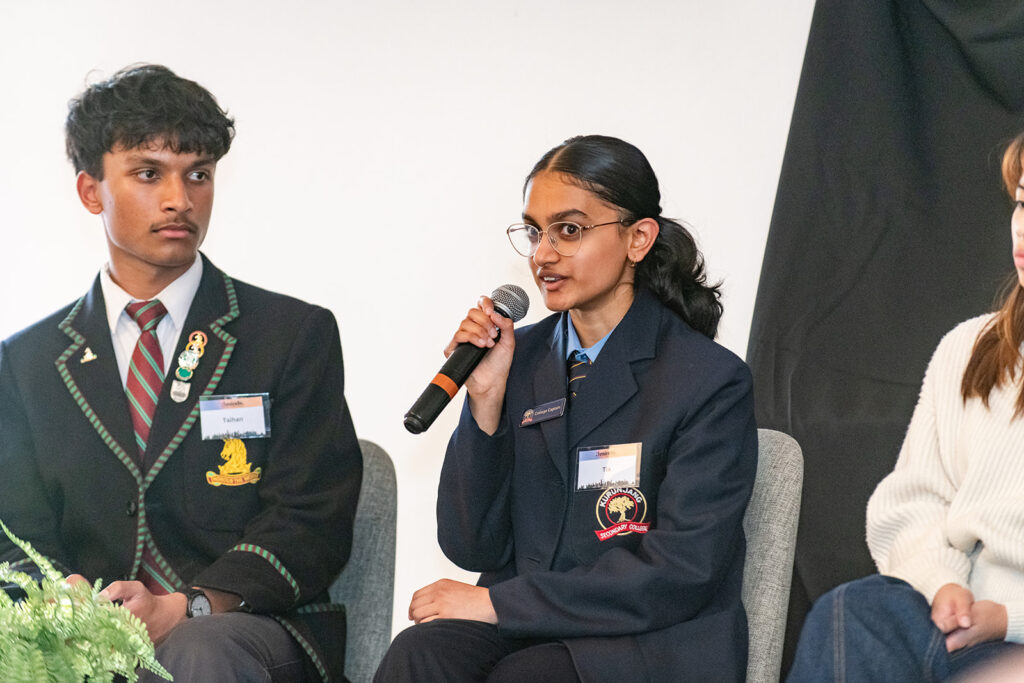
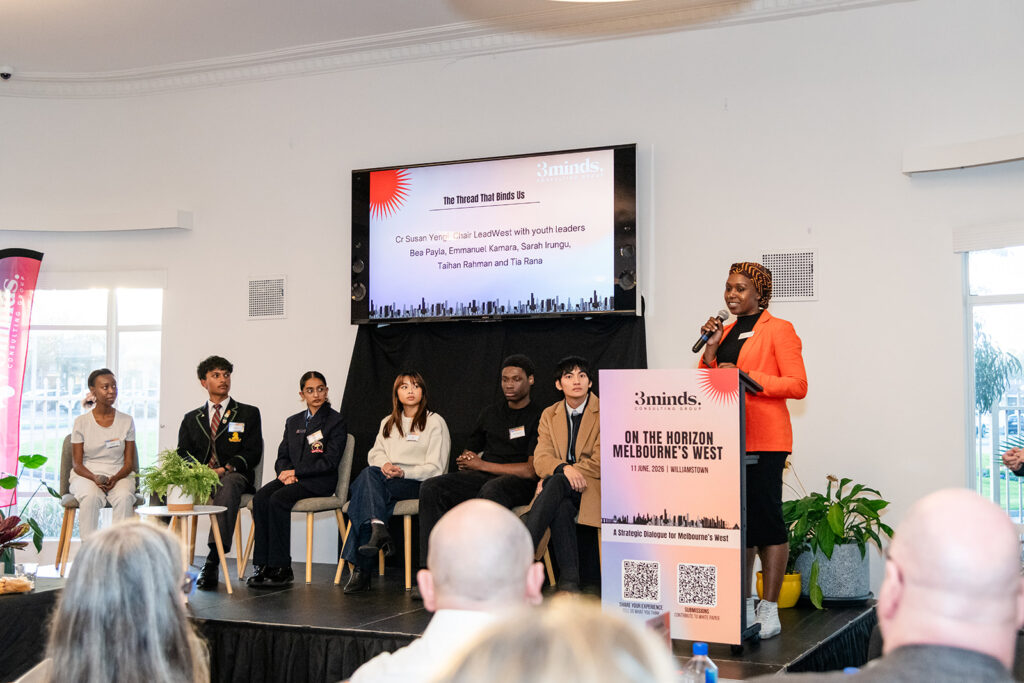
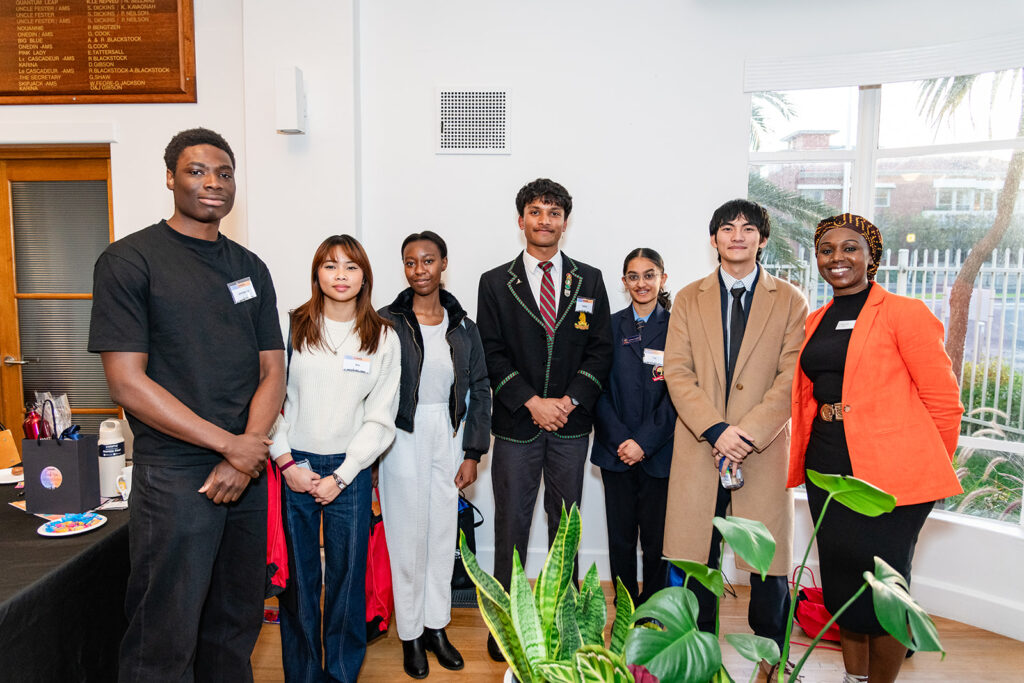
Their message was not complicated. They want to be listened to. They want to be included. They want to be part of the conversations that are shaping the places they live, study, work and build their futures in.
Too often, young people are spoken about in regional conversations but not properly included in them.
That has to change.
If Melbourne’s West is growing at the pace we say it is, then young people cannot be treated as an optional voice. They are already experiencing the consequences of decisions made around infrastructure, housing, employment, education, transport, public space and opportunity.
They are not waiting for the future of the West.
They are living it.
What 3Minds was really doing
For 3Minds, On The Horizon was more than an event.
It was a demonstration of how we work.
We created the concept, shaped the strategic frame, brought people together, built the program, coordinated the conversations and held the day in a way that allowed the right issues to surface.
And we did it on a minimal budget.
That matters, because strategy is not always about having endless resources. Sometimes it is about knowing who should be in the room, what questions need to be asked, where the tension sits and how to create enough trust for people to engage honestly.
This is the work 3Minds does.
We help people and organisations see what is not being said clearly enough.
We connect ideas, people and opportunities.
We design conversations that have a purpose.
We help turn scattered thinking into structure.
We work across strategy, innovation, facilitation, communication, stakeholder engagement and business development, but the real work is often simpler than that.
It is helping people say the thing that needs to be said, then helping them work out what to do with it.
That is not only relevant to Melbourne’s West.
It is relevant to any company, organisation, sector or region that knows it has good people and good ideas, but needs a better way to bring them together and move forward.
The next stage
Since On The Horizon, the conversations have continued.
People have reached out. Feedback has come through. Ideas are being revisited. There is interest from key representatives who want to be involved in what comes next.
That is encouraging, but it also brings responsibility.
If we are serious about this work, the next stage cannot be vague.
3Minds will now begin reviewing the feedback, submissions and ideas raised through On The Horizon. We will look for the themes that kept coming through, the areas where there is genuine energy and the opportunities that may be possible to progress.
This may lead to a committee, working group, focused roundtable or another structure that helps move the work beyond conversation.
The questions now are practical ones.
Where is there enough shared interest to act?
Who needs to be involved?
What should be prioritised?
What is already happening that needs more visibility or support?
Where is collaboration genuinely possible?
And what role can 3Minds play in helping shape and guide that work?
With thanks
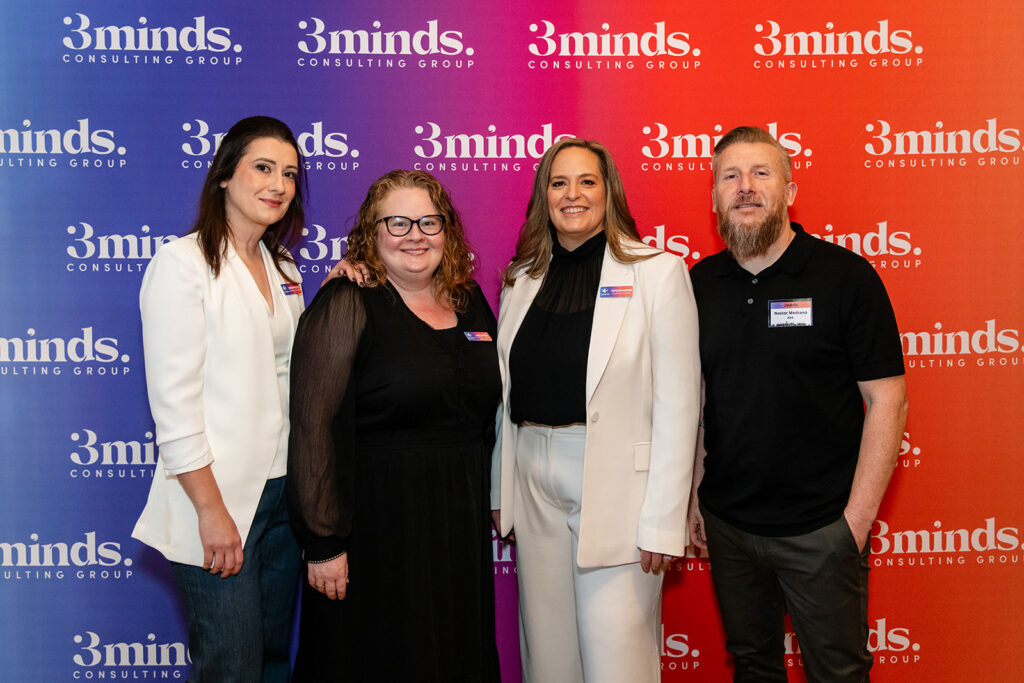
On The Horizon was made possible by the people who contributed their time, thinking, leadership and presence.
With appreciation to our speakers, panellists and contributors, including Christine Medrano, The Honourable Melissa Horne MP, Martin Hoffman, Giulia Baggio, Richard Ponsford, Cr Susan Yengi, Devan Bishop, Leanne Down, Scott Veenker, Seamus McCartney, Michael Smith, Brent Dankesreither, Geoff Gourley, Lee Monik and the young leaders who brought their voice and honesty to the conversation.
With thanks also to the organisations and contributors who helped shape the broader experience, including NAB, WoMEDA, Western Melbourne Tourism, Committee for Melbourne, Committee for Wyndham, Sun Theatre, MGI D&C, Community Housing Limited, LeadWest, RMIT, ESG&I, Agonis Group, Hobsons Bay Yacht Club and Royal Yacht Club of Victoria.
We also acknowledge the community and showcase contributors who helped make the day feel connected and grounded in place, including Mind Up, Guzman Finance, Williamstown Chamber of Commerce, Westside Stories by Sun Theatre, David Mullins and the Faces of Wyndham display, and the local businesses and supporters who contributed to the day.
From here
On The Horizon worked because the room was ready.
People were ready to talk more honestly about Melbourne’s West. They were ready to name the fragmentation, the opportunity, the frustration and the possibility.
But naming it is only the beginning. The work now is to decide what we are prepared to do with it.
For 3Minds, that is where the real value sits. Not in creating another event, but in helping people, organisations and regions move from interest into structure, and from structure into action.
Melbourne’s West does not need another story about its potential. It needs people willing to work together with enough discipline, courage and trust to build on what is already here.
On The Horizon was one way to begin that work.
Now we need to carry it forward.